Inside a Discreet Parcel: Packaging Materials Explained
You place an order for a vape and later a plain brown mailer lands on your table. Between that outer layer and the product inside sit several deliberate material choices. This article is a materials-and-packaging explainer for anyone curious about how a discreet parcel is actually built, and what those choices mean for tamper evidence and product protection. If you are searching for Singapore vape delivery, the packaging is part of what you are buying, so it is worth understanding what happens after checkout.
The outer mailer: first line of discretion and defence
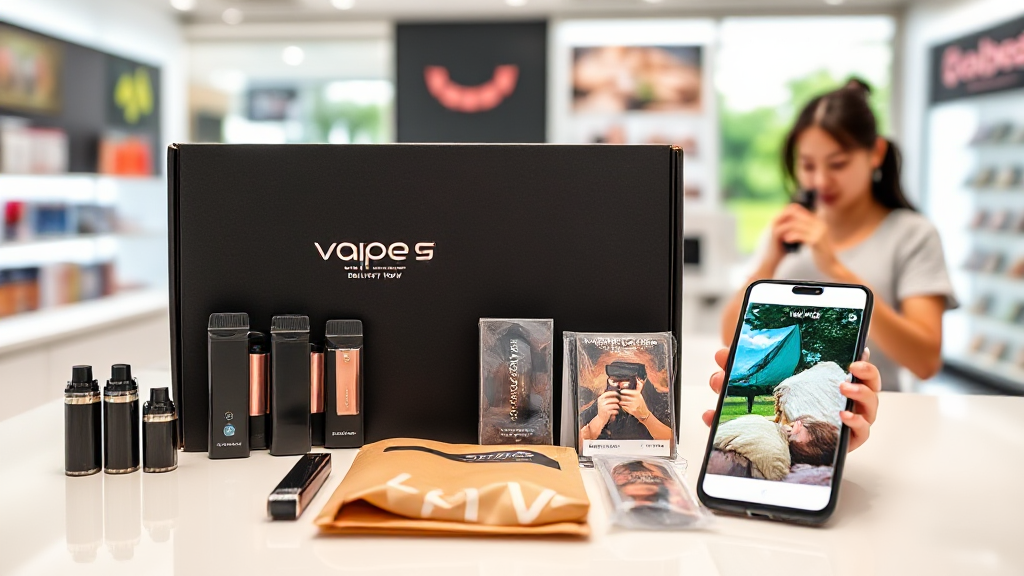
The outermost layer of a discreet parcel is usually a plain, unbranded mailer. Its job is twofold: it should not advertise what is inside, and it should survive the delivery journey without splitting. Most mailers are made from either kraft paper, a paperboard-based rigid envelope, or a polyethylene film. Each material behaves differently under handling.
Kraft paper mailers are common because they are opaque, printable, and recyclable in many municipal streams. They are light, which keeps delivery costs down, but they can crease and tear if a parcel is compressed. Poly mailers are water-resistant and strong for their weight, but they are less rigid, so they rely on the inner packaging to hold shape. Rigid paperboard envelopes sit between the two: heavier and more structured, but still plain enough to pass as ordinary correspondence.
What matters for discretion is opacity and uniformity. A mailer that is even slightly translucent under strong light can reveal a device silhouette. A good outer layer is fully opaque, has no product branding on the exterior, and uses a neutral colour that does not draw attention. The choice of material is less about luxury and more about predictable behaviour in a sorting facility.
Inner protection: cushioning, rigidity and static control
Once the outer mailer is opened, the next layer is the protective structure. This is where a parcel stops being a bag and becomes a small engineering problem. Vape devices and pods are not fragile in the way glass is, but they contain batteries, plastic housings, and metal contacts that do not appreciate being crushed or rattled.
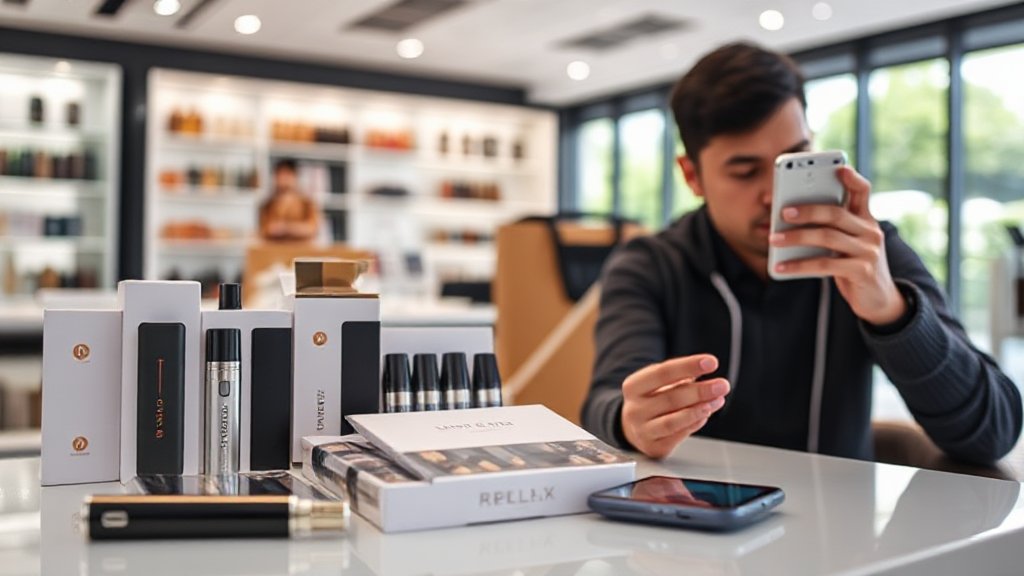
Common inner materials include bubble wrap, foam sheets, corrugated inserts, and air pillows. Bubble wrap is the familiar choice because the trapped air cells spread impact across a wide area. Foam sheets are denser and better at preventing movement inside the parcel. Corrugated inserts can be folded into cradles that hold a device in place, which is useful when the parcel contains several items. Air pillows fill empty space so the contents do not slide around during transit.
There is also a less visible concern: static. Some plastic films and foam materials can build up a static charge, which is why electronics packaging sometimes uses anti-static bags or treated liners. For vape products, the practical goal is to keep the device away from direct contact with rough surfaces and to stop metal parts from rubbing against each other. A well-built inner layer uses a cushioning layer plus a positioning layer, not just one loose sheet of bubble wrap.
If you order from a specialist vape supplier singapore that handles same-day dispatch, the inner packaging also has to be fast to assemble. That is why many operations standardise on a small number of insert sizes rather than custom-cutting foam for every order. Standardisation keeps packing time short without abandoning protection.
Seals and tamper evidence: how a parcel proves it was closed
A seal is a promise. It says the parcel was closed at a known point and has not been opened since. In discreet packaging, the seal is often the most scrutinised part because it is the only visible evidence of integrity. There are three common sealing methods: pressure-sensitive adhesive strips, heat sealing, and tamper-evident tape.
Pressure-sensitive adhesive strips are built into many mailers. You peel a liner and fold the flap down. The adhesive bonds on contact, and in better mailers the bond is strong enough that reopening the flap tears the paper surface. That tearing is the evidence. Heat sealing fuses two plastic surfaces together, which is common on poly mailers; the resulting seam is continuous and hard to reseal invisibly. Tamper-evident tape is used on boxes and rigid envelopes, often with a void message or a patterned release layer that leaves residue if lifted.
The key principle is irreversible closure. A seal that can be opened and reclosed without a trace is not a tamper-evident seal. For the buyer, the practical check is simple: look at the flap, the seam, and the tape line before you open anything. If the adhesive has been disturbed, if the seam is uneven, or if tape has been cut and reapplied, treat the parcel as compromised.
This matters in the context of SG Vape same day delivery, where parcels move quickly and may pass through several hands in a single day. A visible, intact seal is the simplest way for a courier and a customer to agree that the parcel left the packing bench in the condition it arrived.
Labels, opacity and the information layer
The label is the part of the parcel that carries information, and on a discreet parcel it carries as little as possible. A delivery label typically includes a recipient name, an address, a contact number, and a tracking reference. It should not include a product description, a brand name, or a contents list that would reveal what is inside.
Label materials matter too. Thermal labels are common because they print quickly and adhere well, but they can fade under heat or sunlight. Paper labels with a permanent adhesive are more durable but slower to apply by hand. On a poly mailer, the label adhesive has to be matched to the film; a low-tack label can peel at the edges during transit, which looks like tampering even when nothing has happened.
There is also the question of what the label covers. If a label is placed over a seam, it can act as a secondary seal, but it can also hide a defect in the primary seal. Good packing practice keeps the label clear of the main closure so that the seal remains inspectable. The information layer should be legible, minimal and separate from the closure.
From packing bench to doorstep: what changes in transit
Once a parcel leaves the packing bench, the materials face conditions they never see indoors. A mailer may sit in a hot van, be stacked under heavier parcels, or be handled roughly at a sorting hub. Each material responds differently. Paper mailers can absorb moisture and soften. Poly mailers can become brittle in cold conditions and stretch under load. Adhesives can lose tack in heat or fail in dust.
This is why same-day delivery operations tend to favour materials with predictable performance rather than the cheapest option. A parcel that spends only a few hours in transit still experiences temperature swings and compression. The inner cushioning has to hold its shape long enough to protect the device, and the seal has to stay bonded until the customer opens it.
For the customer, the practical takeaway is to inspect before opening. Check the outer mailer for tears, check the seal for disturbance, and check the label for legibility. If you are expecting a sg vape delivery, a quick inspection takes seconds and tells you whether the parcel is worth opening with confidence.
There is also a handling note that applies to the product itself. Vape devices contain batteries, and batteries prefer stable temperatures. A parcel that has been left in direct sun is not the same as one that has been kept in a shaded van. The packaging can buffer some of this, but it cannot eliminate it. Storing the parcel in a cool, dry place before opening is a sensible habit.
Why packaging choices matter for authentic products
Packaging is often discussed as a delivery detail, but it is also part of how a seller signals that a product is genuine. A Sg vape disposable arrives in its own retail packaging, and that retail packaging has its own seals, codes, and print quality. The outer mailer protects that retail packaging from damage, and the inner layer keeps it from being crushed.
When a parcel arrives with a clean outer layer, an intact seal, and an undamaged retail box inside, the chain of custody is easier to trust. When the outer layer is torn or the seal is disturbed, it becomes harder to tell whether the product was handled after packing. This is why serious sellers treat packaging as part of the product experience rather than an afterthought.
For buyers looking at specific lines, the same logic applies. If you are searching for sg vape lana products, the parcel you receive should protect the retail packaging well enough that the device and its labelling arrive as they left the packing bench. A crushed box is not just cosmetic; it can mean the device inside has been stressed.
Packaging also affects how a seller can operate at scale. Standardised mailers, standardised inserts, and standardised seals allow a small team to pack many orders quickly without sacrificing consistency. That consistency is what makes a lana vape delivery predictable: the same outer layer, the same inner protection, the same seal integrity, order after order.
The next time a plain brown mailer lands on your table, look at it as a stack of decisions. The outer layer chose opacity over branding. The inner layer chose cushioning and positioning over loose fill. The seal chose irreversible closure over convenience. None of these choices is visible from the outside, but together they decide whether the parcel arrives discreet, intact, and verifiable. That is the quiet engineering inside a discreet parcel, and it is the part worth noticing.