Judging Sushi Freshness: What You Can Actually Observe
Freshness is not a feeling, it is a set of observable traits. That is the claim worth testing the next time you sit down to a sushi counter or open a takeout box at home. Anyone can say a piece of fish looks fresh; the useful question is which specific, visible and tactile signals support that judgment, and which ones are just atmosphere.
If you are the kind of diner who wants to order with more confidence, the practical starting point is the restaurant’s own menu and sourcing notes. Reviewing the meme4d login page before you visit helps you see what is offered, how items are described, and which cuts or preparations the kitchen is emphasizing that day. From there, the assessment moves to the plate itself.
This breakdown treats freshness as a lab-style checklist: color, sheen, texture, temperature, aroma, cut geometry and the small details that separate careful handling from hopeful presentation. None of these traits is decisive on its own, but together they form a reliable, repeatable way to read a plate of sushi or sashimi.
Color and Sheen: The First Two Signals
Color is the trait most diners notice first, and it is also the one most often misread. Fresh fish does not need to be aggressively bright. What matters is consistency and clarity: the flesh should look even across the slice, without dull patches, grey edges or a cloudy haze sitting on the surface.
What even color actually tells you
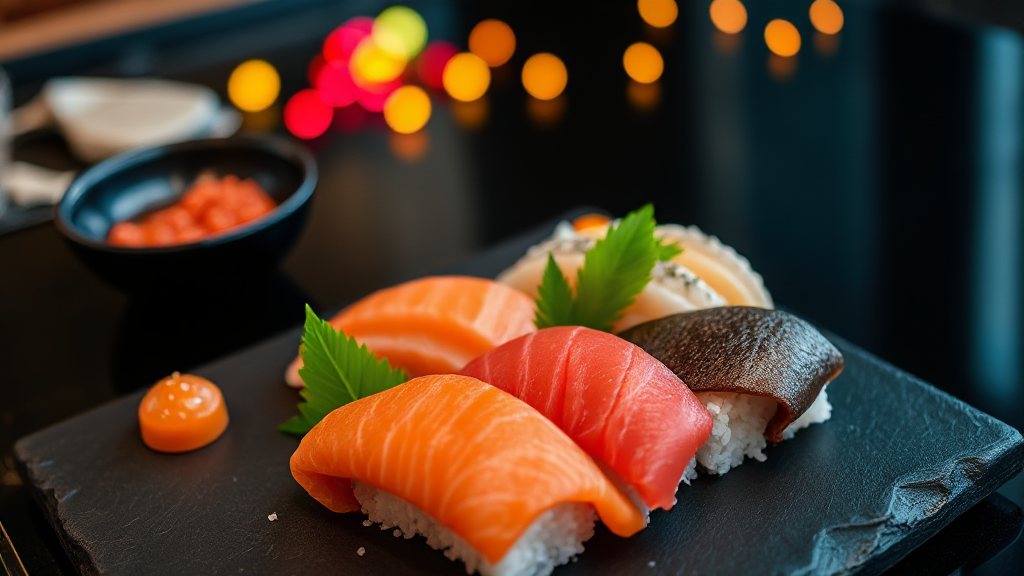
A uniform tone suggests the fish was handled as a single piece and sliced shortly before service. Patchiness, by contrast, often means the cut sat exposed to air or was trimmed from uneven parts of the fillet. For tuna, a clean deep red or pink is expected; for salmon, an even orange with distinct white fat lines. Consistency across the slice matters more than intensity of hue.
Sheen versus sliminess
A fresh slice carries a soft, natural sheen, the kind of light reflection that comes from intact surface cells. That is different from the wet, slippery film that develops as proteins break down. If the surface looks glossy in a way that feels heavy rather than delicate, that is a handling signal worth noting.
Texture and Temperature: Reading the Cut
Texture is where a plate either confirms or contradicts its appearance. A slice should feel firm enough to hold its shape when lifted, yet yield cleanly when bitten. Mushiness, stringiness or a fibrous pull are all signs that the muscle structure has started to degrade.
The firmness test
Look at how the slice behaves on the plate. Does it slump, or does it stand with a defined edge? Sashimi cut with a sharp knife holds a clean, almost geometric profile. Ragged edges or a frayed surface usually point to a dull blade or a piece that was pressed and handled too much.
Why temperature is part of freshness
Sushi and sashimi should arrive cool but not icy, and certainly not warm at the center. Uneven temperature often means the fish was moved between storage and service without enough settling time. A slice that is cold at the middle but soft at the edges has likely been handled unevenly, which affects both texture and flavor.
Aroma and the Rice Beneath the Fish
Smell is the fastest check and the one most people skip. Fresh fish has a clean, mild scent, sometimes described as slightly sweet or oceanic. It should never smell sour, ammonia-like or sharply metallic. If the aroma reaches you before the plate does, that is a signal to pause.
What the rice reveals
The rice is often the most honest indicator on the plate. Properly seasoned sushi rice is glossy, distinct grain by grain, and holds together without being gummy. Rice that is dense, pasty or clumped suggests it was packed too tightly or held too long. The rice tells you how the kitchen is running, not just how the fish arrived.
Nori and garnish as secondary evidence
Seaweed should be crisp, not limp or chewy. Garnishes such as shiso, daikon and ginger should look fresh and smell clean. These are small details, but they show whether the kitchen treats every component with the same standard as the fish itself.
Cut Geometry and Knife Work
Knife work is an underrated freshness signal. A clean cut preserves the surface of the fish and limits the exposure that accelerates breakdown. When you see smooth, confident slices with straight planes and sharp corners, you are looking at a kitchen that understands handling.
Why ragged edges matter
Torn or crushed edges expose more surface area to air and moisture, which speeds up oxidation and softens texture. A plate full of ragged slices is not automatically bad, but it is a sign that either the blade or the pace of service was off. Clean geometry is evidence of control.
Thickness as a deliberate choice
Slice thickness should match the fish. Delicate white fish are often cut thinner; richer cuts like salmon or tuna may be thicker to balance fat and texture. Inconsistent thickness across the same fish suggests hurried prep rather than a considered style.
Common Mistakes Diners Make When Judging Freshness
Most freshness misjudgments come from a handful of predictable habits. Correcting them makes the whole assessment more reliable, whether you are at a counter or eating takeout.
- Equating brightness with freshness. Very saturated color can come from lighting, glaze or presentation, not from the fish itself.
- Ignoring temperature. A plate that is too cold or unevenly chilled hides texture problems until the first bite.
- Judging only the fish. Rice, nori and garnish carry real information about kitchen standards.
- Relying on a single bite. Evaluate across several pieces; one slice can be an outlier.
- Confusing sauce with quality. Heavy sauce can mask the very traits you are trying to read.
A useful habit is to taste the plainest item first. A simple sashimi slice or a plain nigiri gives you a baseline that sauces and toppings cannot hide. Once you have that baseline, the rest of the plate is easier to interpret.
How to Apply This at the Table or on Takeout
The same checklist works in a dining room and at home. In a restaurant, watch how the plate is presented, whether the fish sits on cold stone or a warm surface, and whether the kitchen paces courses so that raw items arrive at the right moment. On takeout, check the packaging: fish should be separated from rice and sauces until you are ready to eat.
A short observational routine
- Look at color and sheen before you pick up chopsticks.
- Check temperature by touching the plate edge and the fish surface lightly.
- Smell the plainest slice first.
- Taste a plain piece before any sauced item.
- Note the rice texture and the state of the nori.
If you are planning a visit and want to compare what is available, reviewing the menu in advance is a sensible step. The meme4d login page gives you a sense of the range of cuts and preparations so you can order with a clearer idea of what to look for on the plate.
What to do when something seems off
If a slice smells sharp, feels mushy or arrives at the wrong temperature, say so politely and ask for a replacement. A good kitchen will treat that as useful feedback rather than an insult. Freshness is a standard, not a mood. The clearer your observations, the easier it is to have a calm, specific conversation about what you noticed.
Judging sushi and sashimi freshness comes down to a small set of observable traits: even color, natural sheen, firm texture, correct temperature, clean aroma, well-seasoned rice and confident knife work. None of these requires special equipment, and all of them improve with practice. The next time you order, treat the plate as evidence and let the details do the talking.